

How to Have More Energy Without Relying on Coffee

[12 minute read]
In short
Many people rely on caffeine for energy, yet still experience jitters, crashes, and the need for repeated stimulation throughout the day.
This is often because stimulation creates temporary alertness, not necessarily stable energy.
A more sustainable approach is to shift from borrowed energy to built energy, by supporting the body’s natural rhythms through sleep, nourishment, movement, nervous system care, and supportive herbs.
Over time, energy can begin to feel steadier, more reliable, and less forced.
The shift itself, however, is often more nuanced than it first appears.
Lately I’ve been noticing something in conversations with people
Many are trying to reduce their caffeine intake.
Some switch to herbal tea hoping it will feel like a gentler alternative. But a lot of them say something similar after a while: it’s hard to stick with it.
Not because they don’t enjoy tea. But because they still feel like they need the stimulation.
People talk about jitters, uneven energy peaks and dips, or that strange feeling of being slightly pushed through the day rather than carried by their energy.
It made me wonder if maybe we need to rethink the way we think about energy.
Not necessarily because coffee is bad. Coffee can be enjoyable and for many people it will always remain part of their routine. But perhaps we’ve become used to relying on stimulation as the main way we generate energy.
Why Stimulation Is Often Mistaken for Energy
Coffee works by stimulating the nervous system. It blocks a chemical in the brain called adenosine, which normally promotes sleep and relaxation. When that signal is temporarily blocked, we feel more alert.
That’s why coffee can feel so effective. Within minutes, the body feels more awake and ready to move.
Stimulation creates alertness, sometimes quite quickly. Energy, on the other hand, often depends on deeper conditions within the body.
This is why some people experience:
- Bursts of alertness followed by fatigue
- Jittery or restless sensations
- An afternoon crash
- The urge for another cup of coffee
These patterns are often signs of uneven energy that was briefly stimulated rather than truly supported.
Over time the body can become accustomed to this rhythm. Energy starts to feel like something that must be pushed forward rather than something that naturally unfolds.

Borrowed Energy vs Built Energy
One way I’ve started thinking about this is the difference between borrowed energy and built energy.
Borrowed energy often comes from stimulation. It works quickly, but it tends to be temporary. --> Coffee, energy drinks, sugar spikes, and even stress can create that kind of energy.
Built energy develops more gradually. It comes from the body's systems working together in balance.
Things like:
- Consistent sleep
- Balanced nutrition
- Moments of rest or being
- Natural daily rhythms
-
Supportive herbs and plants
When these foundations are supported, energy often feels steadier and more reliable.
Instead of sharp peaks and dips, the day begins to feel more even.
For many people this shift does not happen overnight. It usually comes from small adjustments that gradually support the body's natural rhythms.

Supporting Energy More Naturally
There are many small ways people begin to support steadier energy throughout the day.
Often the goal is not to eliminate coffee entirely, but to create conditions where the body does not rely on it as heavily.
1) Observe your patterns - Some people start by paying attention to their daily rhythms. Energy tends to follow patterns connected to light exposure, sleep, and movement. Spending time outside in the morning, maintaining regular sleep schedules, and introducing gentle movement can help regulate those rhythms.
2) Proper nourishment - Another way to support steady energy is to focus on stabilizing nutrition. Meals that include protein, fiber, and healthy fats can help maintain more stable blood sugar levels, which often leads to more consistent energy.
3) Mindfulness Practices - Another simple shift is introducing small rituals during the day. A pause for tea, stepping away from screens, or taking a few quiet minutes between tasks can help regulate the nervous system. When the nervous system is less stressed, energy often becomes steadier.
4) Supportive Plants and rituals - Many traditional herbal practices also use plants that support resilience against stress. Instead of forcing the body into alertness, these herbs help the body regulate itself.
A Different Relationship With Energy
For people who want to reduce their reliance on caffeine, the transition can sometimes feel challenging. Simply stopping coffee overnight often leads to headaches, fatigue, and frustration. That’s why many people find it easier to approach the shift gradually.
Instead of forcing energy through stimulation, the idea is to support the body in building energy more naturally.
Because many people struggle with this transition, we created a gentle 28-day guide called the Vitality Journey.
The guide was designed for people who want to explore a steadier relationship with their energy and gradually reduce their dependence on caffeine.
It focuses on observing patterns, introducing small supportive rituals, and allowing energy to stabilize over time.
If this idea resonates with you, you can explore it here:
Explore the Vitality Journey
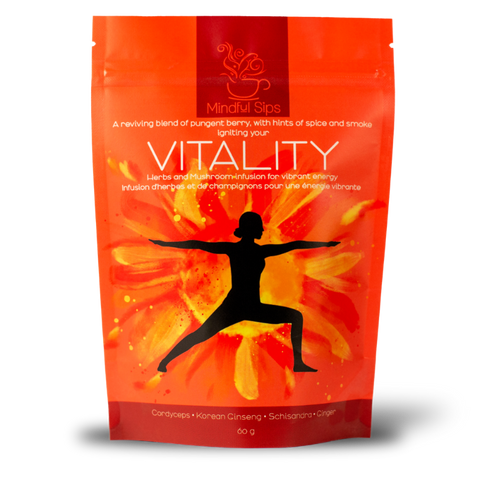
Energy That Is Cultivated From Within
Coffee will always remain part of many people’s lives, and there is nothing inherently wrong with that.
But energy does not have to rely entirely on stimulation.
When the body is supported through rest, nourishment, rituals, and supportive plants, energy often begins to feel steadier and more resilient.
The goal isn’t perfection. It’s simply learning how to support energy in a way that feels more balanced and sustainable over time.
Energy can grow from the small ways we care for ourselves each day.


